



product description

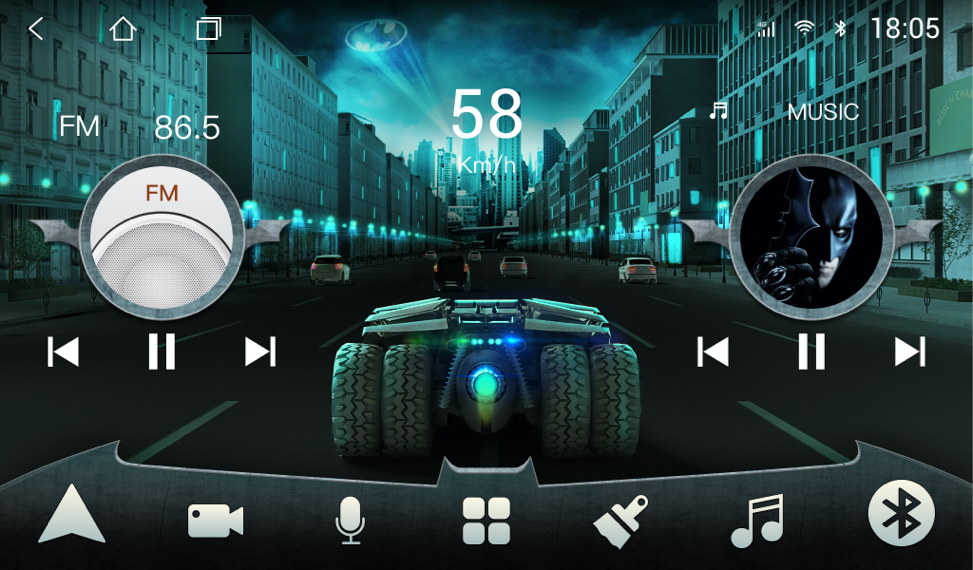
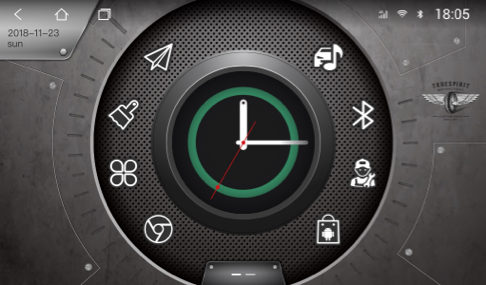
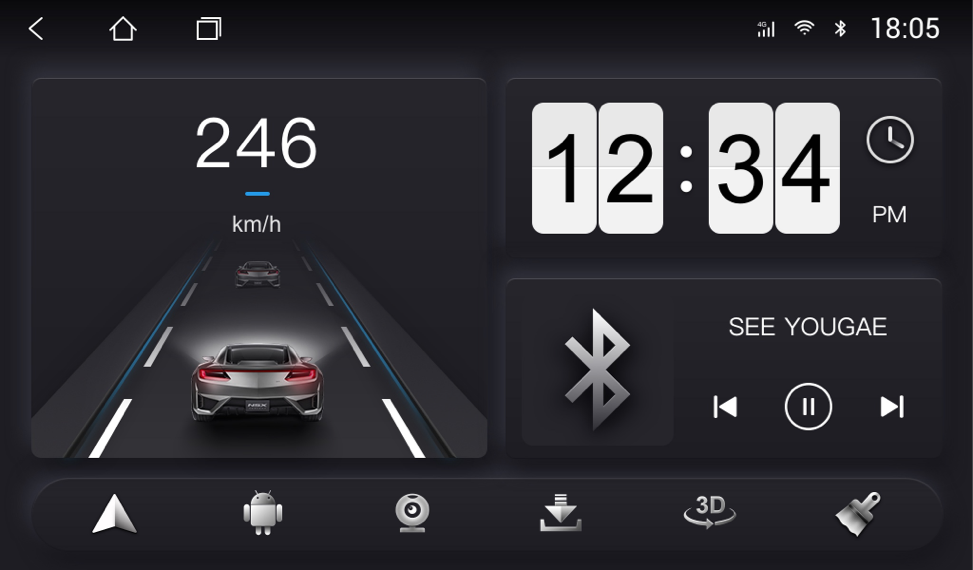
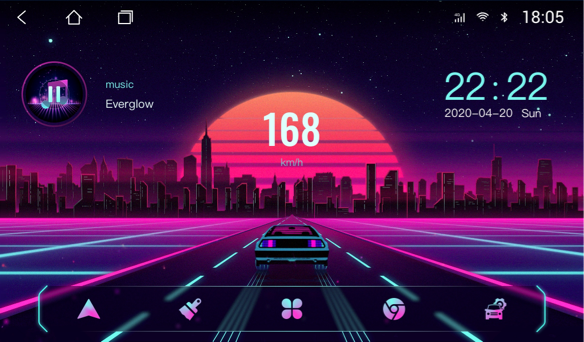
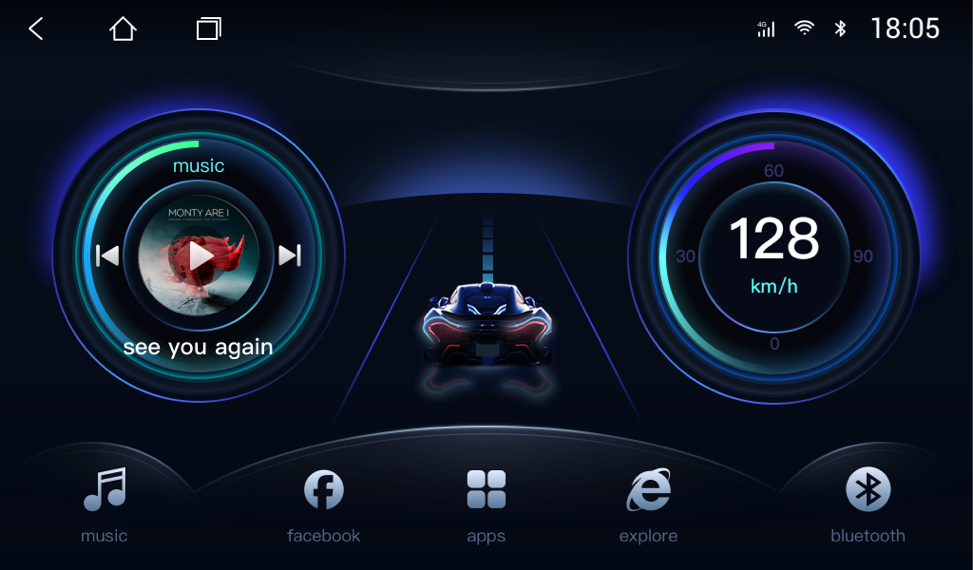
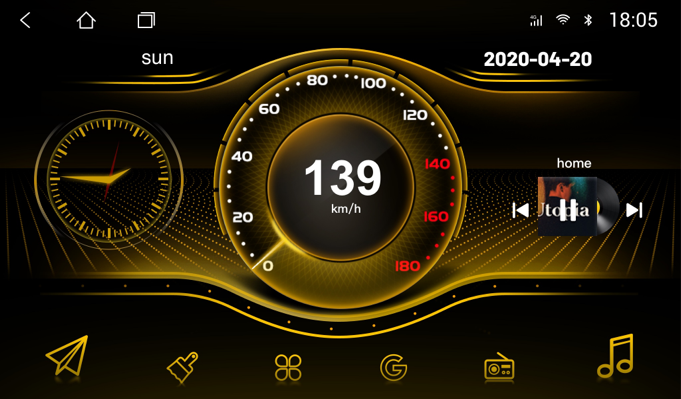
Not limited to a single theme framework, create 9 types of themes with different styles, there is always one that suits your taste!

Of course it's more than just looking good! When you drive on the road, you will find that the theme has rich dynamic effects, such as driving, instrumentation, ADAS, weather, etc., is it very interesting?

The shortcut icons on the desktop can be customized in style and function, and operate in the way you are used to!

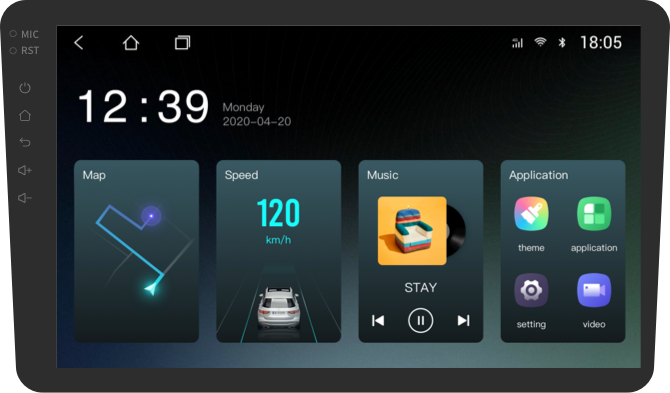
product description
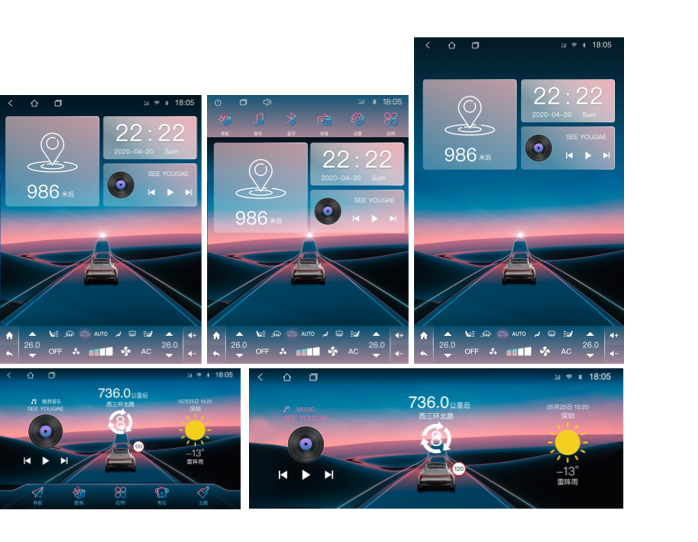
product description
Currently suitable resolutions are as follows:
Landscape contains: 1024x600、1024x768、1280x800、1280x480、2000x1200
Vertical screen includes: 768x1024、800x1280、1080x1920
If your car is different, it will use close resolution by default
Cars of Dingwei solution can use all the functions of the theme software, but some of the functions of cars of other solution providers are not available.

In addition to a single purchase, you can also


The Inquisition, a term that evokes images of dark dungeons, burning stakes, and fanatical religious zeal, has been a part of human history for centuries. Originating in the late 12th century, the Inquisition was a period marked by a series of attempts by the Catholic Church to root out heresy through investigation and prosecution. The most infamous of these was the Spanish Inquisition, established in 1478 and officially disbanded in 1834, which became synonymous with torture, fear, and the persecution of minorities. Historical Context The historical Inquisition was a complex phenomenon. On one hand, it was a tool for the Catholic Church to maintain its authority and purity of faith. On the other, it led to the persecution of various groups, including Jews, Muslims, Protestants, and individuals accused of witchcraft. The methods used during this period, including torture to extract confessions and public executions, are now widely regarded as human rights abuses. Modern Interpretations In modern times, the concept of an "Inquisition" has been metaphorically used to describe any situation where there's a perceived witch hunt or a severe crackdown on dissent. This usage captures the essence of fear and oppression associated with the historical Inquisitions.
Weekly update
The Inquisition, a term that evokes images of dark dungeons, burning stakes, and fanatical religious zeal, has been a part of human history for centuries. Originating in the late 12th century, the Inquisition was a period marked by a series of attempts by the Catholic Church to root out heresy through investigation and prosecution. The most infamous of these was the Spanish Inquisition, established in 1478 and officially disbanded in 1834, which became synonymous with torture, fear, and the persecution of minorities. Historical Context The historical Inquisition was a complex phenomenon. On one hand, it was a tool for the Catholic Church to maintain its authority and purity of faith. On the other, it led to the persecution of various groups, including Jews, Muslims, Protestants, and individuals accused of witchcraft. The methods used during this period, including torture to extract confessions and public executions, are now widely regarded as human rights abuses. Modern Interpretations In modern times, the concept of an "Inquisition" has been metaphorically used to describe any situation where there's a perceived witch hunt or a severe crackdown on dissent. This usage captures the essence of fear and oppression associated with the historical Inquisitions.